
Envisioning Formation for Today's Catechists
Sep 22, 2026
NCCL Feature: A closer look at... CATECHIST FORMATION
How can we design catechist formation around the lives of today’s catechists?
We know our catechists lead busy lives managing their time and commitments at work and at home, with family and friends, and in their own personal activities. This is especially true for parents of children and teens, who are very often the core group of catechists in a parish.
This new context calls for new approaches. We need to fashion catechist formation around the lives of catechists. We need to begin with what they need to learn, when they need to learn it, and how they can learn it in ways that fit into their lives. We need to create a personalized approach to catechist formation that is always available to encourage, equip, and inspire catechists.
The design and implementation of catechist formation needs to be informed by contemporary thinking on adult learning, reflected in the following characteristics:
- Self-directed, just-in-time learning. Catechists need to be able to select their learning experiences based on the diagnosis of their personal learning needs and the areas where they need to develop proficiency. They can create their own pathways for learning. Whenever they need to develop a particular knowledge, skill, or practice, learning resources should be available for them.
- Microlearning experiences. Catechists need content organized into smaller, focused learning experiences – each built around a single concept, practice, or skill, rather than a long-form program with multiple sessions. Video-based and podcast-based learning are well suited for this type of learning. The short duration of the resources such as videos or podcasts are designed to fit into small windows of time: before a teaching session, during a lunch break, late in the evening, and even during the “waiting times” for family members during the week. The short duration of a video or podcast lowers the barrier to starting to learn - a 15 minute video feels far less daunting than committing to a course, so people are more likely to actually begin (and finish). Catechists can build a series of microlearning experiences into their own course of study.
- Online and available 24x7. Catechists need maximum flexibility in scheduling their personal learning. Online content can be viewed – anytime and anywhere – on a laptop, tablet, or phone.
- Immediacy of application. Catechists need to see a practical result from their investment in formation – a direct application of the new knowledge and skills. Each learning experience guides catechists toward the practical application of the knowledge they have learned, building their confidence and proficiency.
We can provide a variety of ways for catechists to engage in formation by structuring learning activities into different formats.
- On your own, self-directed learning. We can guide catechists in selecting the learning programs and resources that best address their personal learning needs. We can provide a competency assessment tool to help them discern their learning needs, then identify the learning resources that address those learning needs, and finally create a plan for learning
- Mentored learning. Experienced parish catechists can serve as mentors or guides for new catechists. Here is one way to structure a mentoring relationship: 1) match mentors and mentees (one-to-one relationship or one mentor with two or three mentees); 2) select learning resources (videos, podcasts, short articles, etc.) based on learning needs; 3) schedule time to discuss insights from the learning; 4) generate ideas for applying the learning to teaching; and 5) create an application plan and monitor it together.
- Small group learning. The small group approach works best when several catechists have similar learning needs. A small group can be a blend of individual learning and small group experiences. Here is one way to structure this relationship: 1) participate in a shared learning experience, e.g., watch a video together; 2) discuss the content and surface insights; 3) generate ideas as a group for applying the learning; 4) work together to assist each other in creating application plans; and 5) gather regularly to share experiences of what they are learning from the application of the practice, skill, or method.
- Large group learning. The large group approach works best when a large number of catechists have a similar identified learning needs. Large group learning can be designed in a variety of models, such as a 90-minute in-service workshop or a half-day workshop. Here is one way to structure one session in a large group learning model that provides microlearning experiences and an immediacy of application: 1) participate in a shared learning experience, e.g., watch a video together or listen to short presentation; 2) discuss the presentation or video in small groups; 3) generate ideas (in small groups) for applying the learning, and record and post ideas on a sheet of easel paper; 4) share the ideas with the whole group; 5) work together in small groups to assist each other in creating application plans; and 6) schedule times after the session when people can gather to share experiences of what they are learning from the application of the practice, skill, or method. This process could be repeated multiple times depending on the length of the program, with new groups formed for each new session.
These insights and practices have guided NCCL’s Accompaniment in Faith, a new (free) video-based series designed for parish catechists and school educators with essential practices and skills for teaching and forming the faith of children and adolescents. The goal of each video is to develop one particular practice or skill that is essential for engaging children or adolescents in learning and growing in faith.
The Accompaniment in Faith project is focused on developing proficiency in the three roles of the catechist and educator as presented in the Directory for Catechesis, paragraph 113 (Vatican, 2020): a witness of faith and keeper of the memory of God, a teacher and mystagogue, and an accompanier and educator. Each of these three roles points to the particular knowledge, skills, practices, and methods necessary for catechists and educators. The development of the curriculum and videos for Accompaniment in Faith have been guided by the Directory’s vision. We seek to equip parish catechists and school educators with the knowledge, skills, practices, and methods necessary for the three roles of catechists and educators.
 Accompaniment in Faith
To learn more about Accompaniment in Faith, watch the videos, and download the accompanying video guides go to the NCCL Catholic website: https://www.ncclcatholic.org/accompaniment.
*Be sure to download a copy of the Organizer’s Guide, the Catechist and Educator Guide, and the Competencies for Catechists and Educators.
[Download & Share this Article as a PDF]
Author:
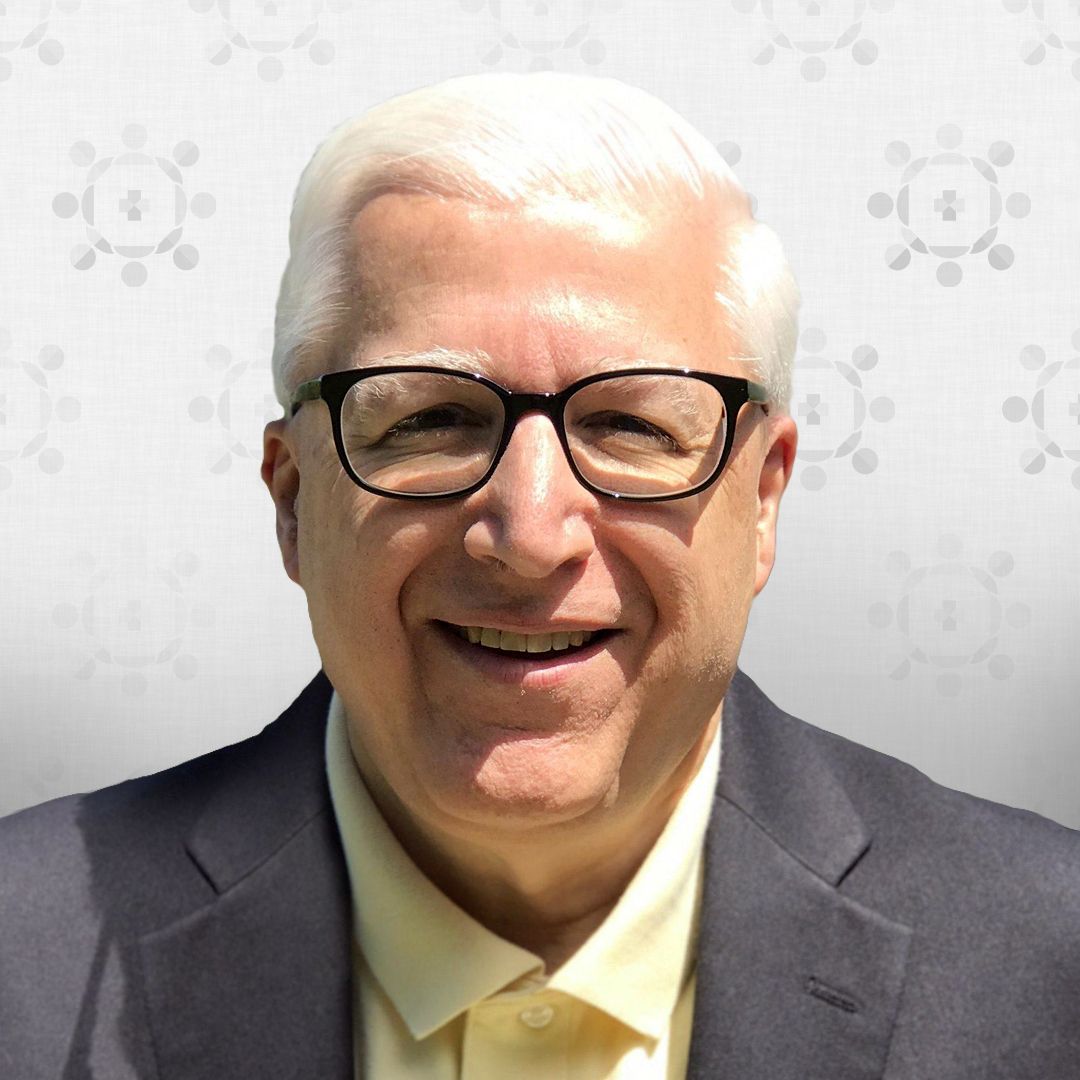
John Roberto
NCCL Executive Director